Japan Driving vs Train: Which is the Best Option?
Japan driving vs train is one of the biggest decisions travelers face when planning a trip. While Japan’s train system is fast and reliable, driving can offer more flexibility; especially for rural destinations and scenic routes. In this guide, we compare driving and train travel in Japan based on cost, convenience, flexibility, and real travel scenarios to help you decide which option suits your itinerary best.
Disclaimer: This article contains affiliate links. If you book after clicking on one of these links then I may receive a small commission at no extra cost to you.
Table of Contents
Is It Better to Drive or Take the Train in Japan?
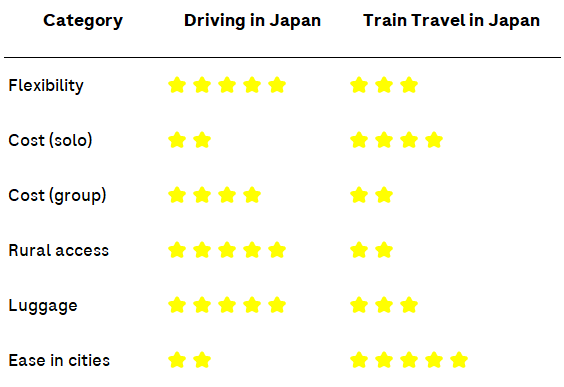
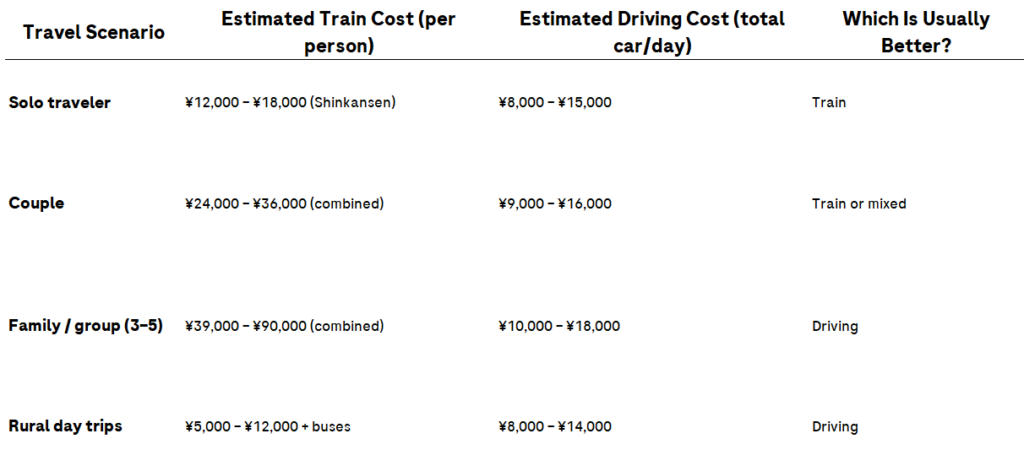
For most city-based itineraries, taking the train in Japan is more convenient and often more economical for solo travelers and couples. However, driving in Japan becomes more cost-effective and flexible for groups, rural destinations, and multi-stop countryside trips. Here’s a quick comparison table between the two:
Essential Before You Start: Staying Connected in Japan
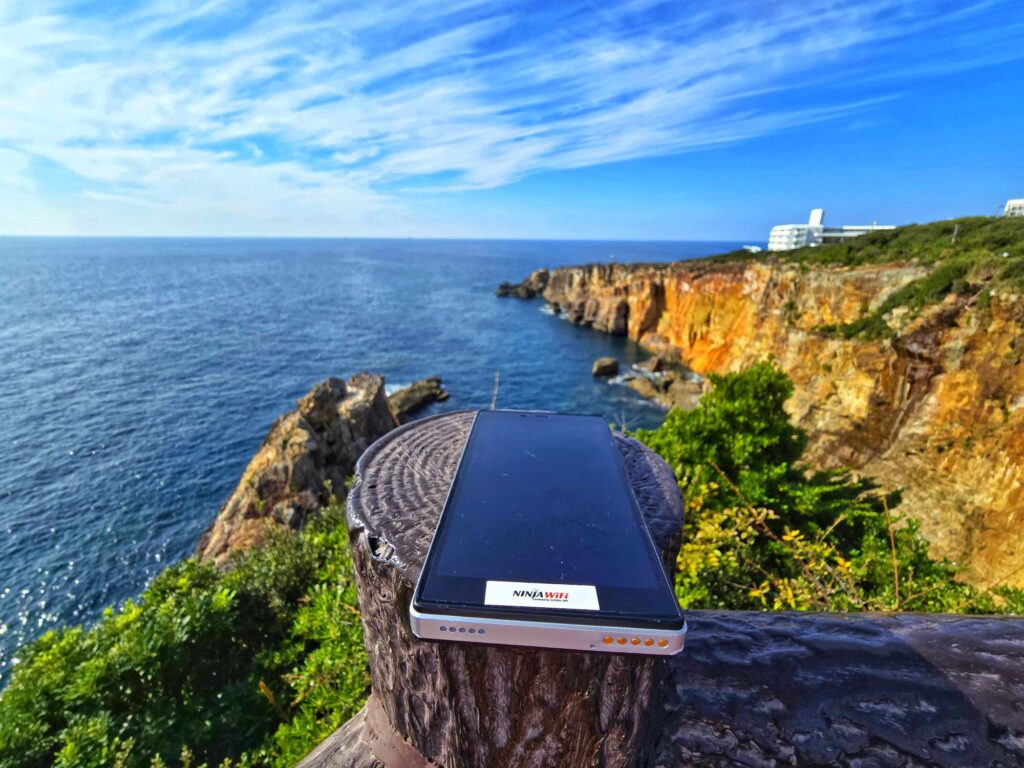
Regardless of whether we are travelling in Japan via driving or train, staying connected can be surprisingly challenging especially once you move beyond major cities into rural towns or mountain areas. On our recent trips, my wife and I used Ninja Wifi, and it made a big difference in how smoothly everything went, from navigation and train planning to staying in touch with family back home, even in more secluded parts of Japan.
Ninja Wifi offers both eSIM and portable WiFi options, and we personally chose the portable WiFi for its reliability and convenience. It allowed multiple devices to connect at the same time, which was especially useful when navigating, checking train schedules, or searching for parking and restaurants on the go. Setup was quick and straightforward; we simply scanned a QR code and were connected within a minute. If you’re planning a trip to Japan, you can book your Wifi services here and enjoy a 30% discount on your Wifi rental!
Driving in Japan: When It Makes Sense
Pros of Driving
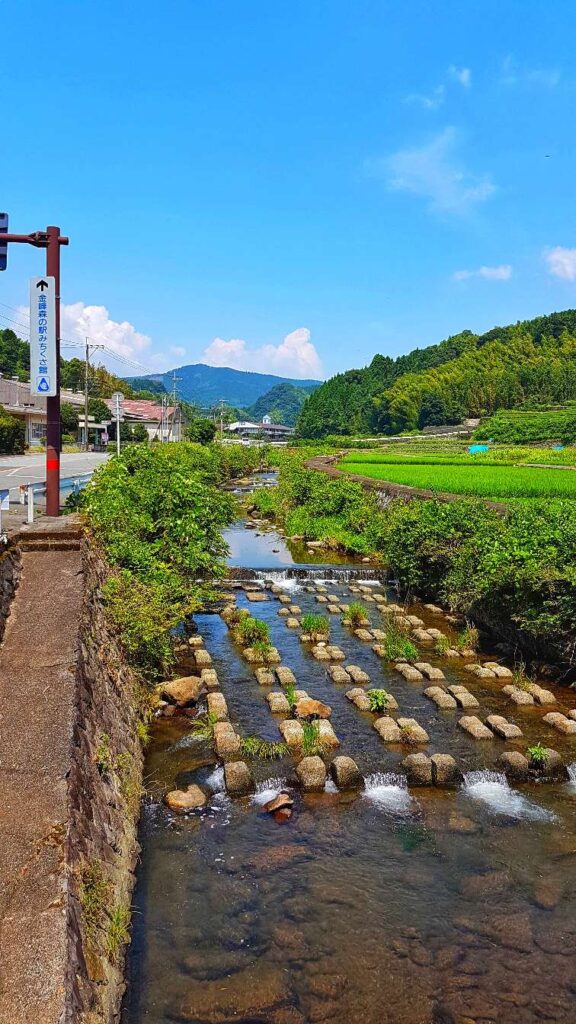
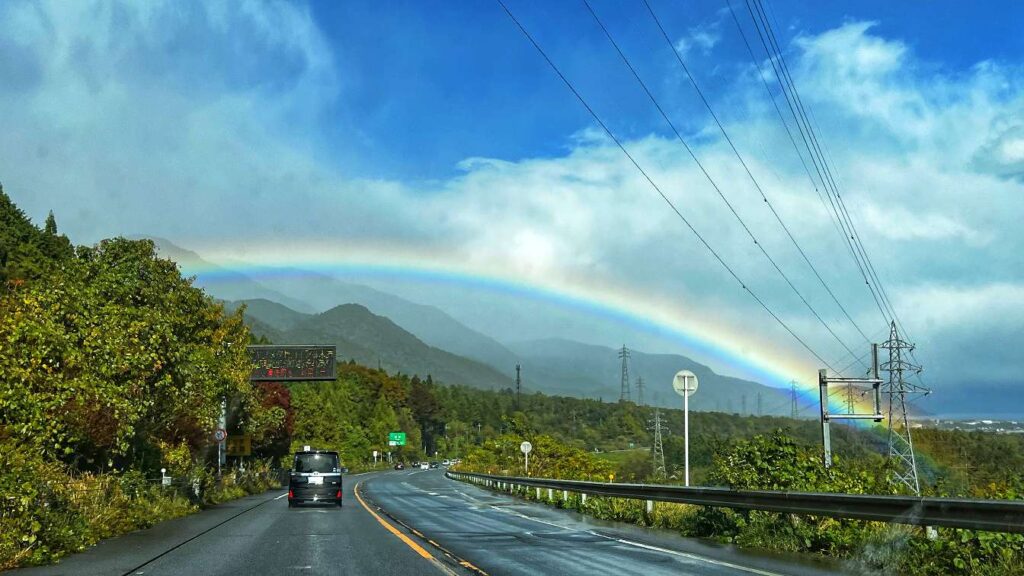
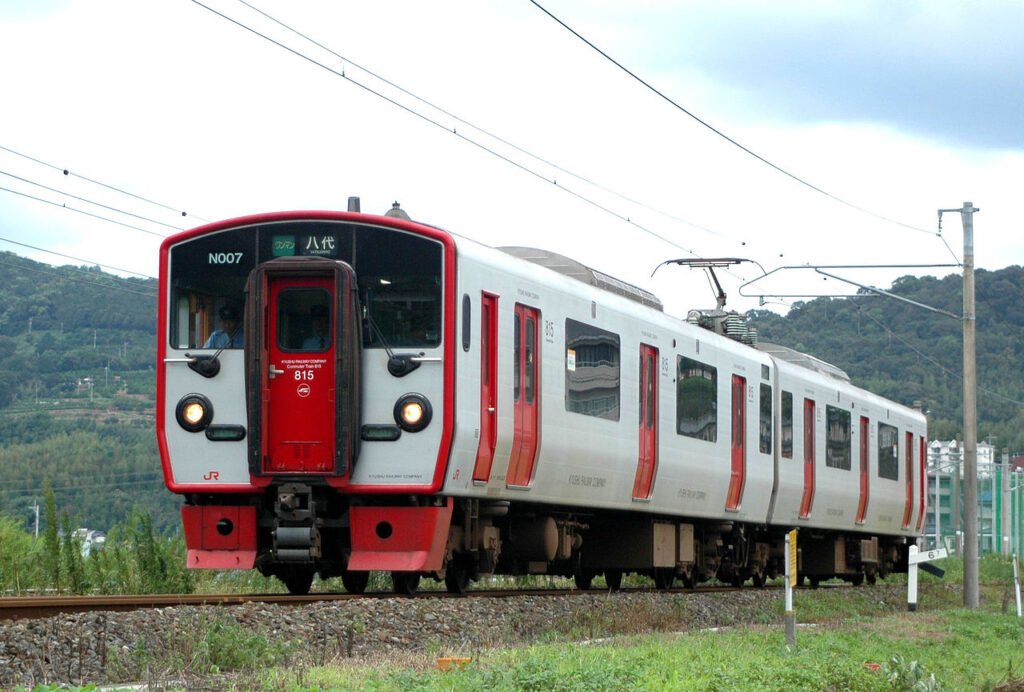
Driving is certainly a great option for those who prioritise flexibility and wanting to explore more of the rural areas. In many parts of the countryside of Japan, public transportation is extremely scarce; with buses and trains running on limited frequency. I recalled having to wait at the spot in the below pic for an hour just to catch the last bus from Unganzenji Temple (雲巌禅寺) back to Kumamoto (熊本) city as I missed the previous bus by few minutes.
Renting a car on the other hand solves this problem as we can freely visit these attractions freely at anytime. Another reason to drive is because many attractions in the countryside offer free parking; in contrast to the expensive parking lots in Japanese cities.
This is also a great option especially if you are planning to visit attractions while driving from one city to another (example; stopping by the town Yuasa (湯浅) that gave birth to soy sauce while driving from Wakayama (和歌山) to Shirahama (白浜)). Along the way, you can also stop temporarily and capture some wonderful sceneries if you encounter one.
When Driving is Better
If your itinerary consists mainly of these destinations, then driving is a great option to consider:
- Rural areas (i.e. the Kunisaki Peninsula (国東半島) and Hokkaido (北海道))
- Stopping by onsen towns along the way (i.e. the Tohoku (東北), Nagano-Gifu (長野-岐阜) and Kyushu (九州) regions are known for these)
- Cherry blossoms and autumn leaves routes (many of the less crowded ones are located in the rural areas)
- Multi-stop days; i.e. stopping by different towns along the way
Example of A Road Trip That I Have Done Via Car
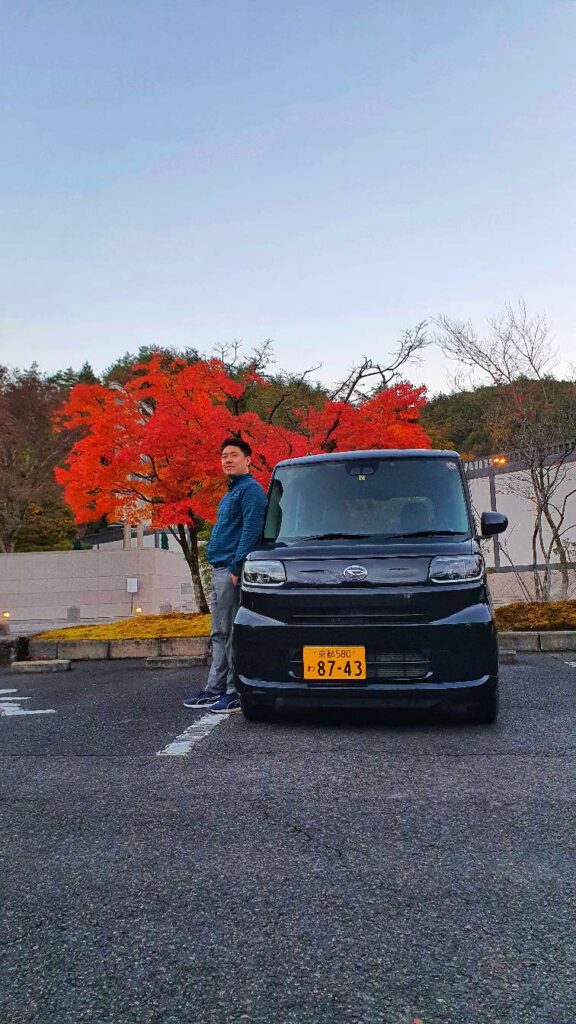
Wanna see an example road trip that I have done? Here’s one that I have done simply by renting a car together with my wife!
~ Road Trip to Explore the Magnificent Lake Biwa Near Kyoto ~
Route: Kyoto (京都) -> Nagahama (長浜) -> Hikone (彦根) -> Omihachiman (近江八幡) -> Otsu (大津) -> Kyoto (京都)
Duration: 6 days 5 nights
Highlights from our trip:
- Nagahama (長浜) – Explored the historic Kurokabe Square (黒壁スクエアー) and then visit the unique Kaiyodo Figure Museum (海洋堂フィギュアミュージアム) that features an extensive collection of anime figurines.
- Hikone (彦根) – Visited Hikone Castle (彦根城); one of the only few authentic castles remaining in Japan as well as its stunningly beautiful and spacious Japanese garden.
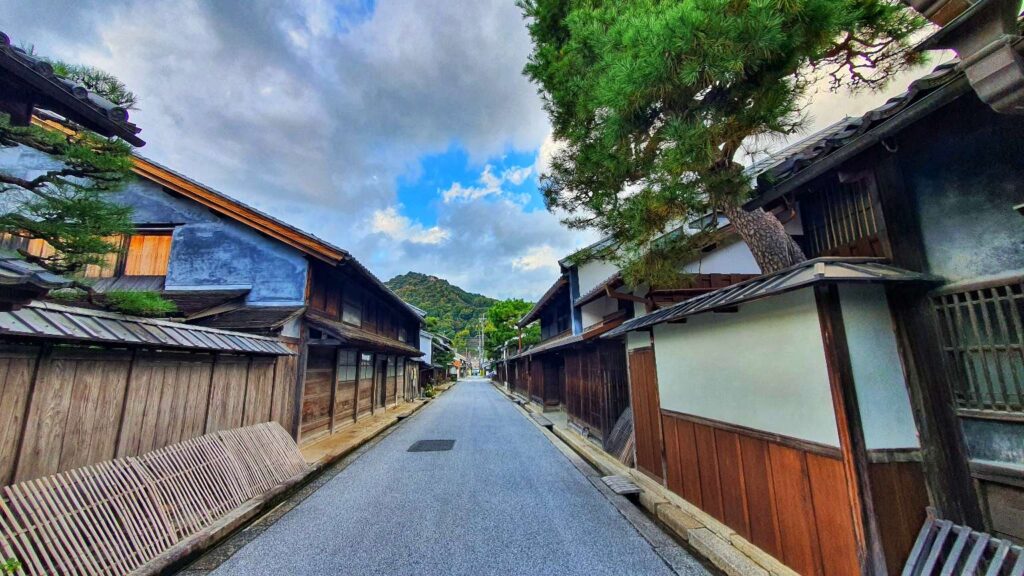
- Omihachiman (近江八幡) – Experienced a boat cruise along the canal of the former merchant town of Omihachiman (近江八幡).
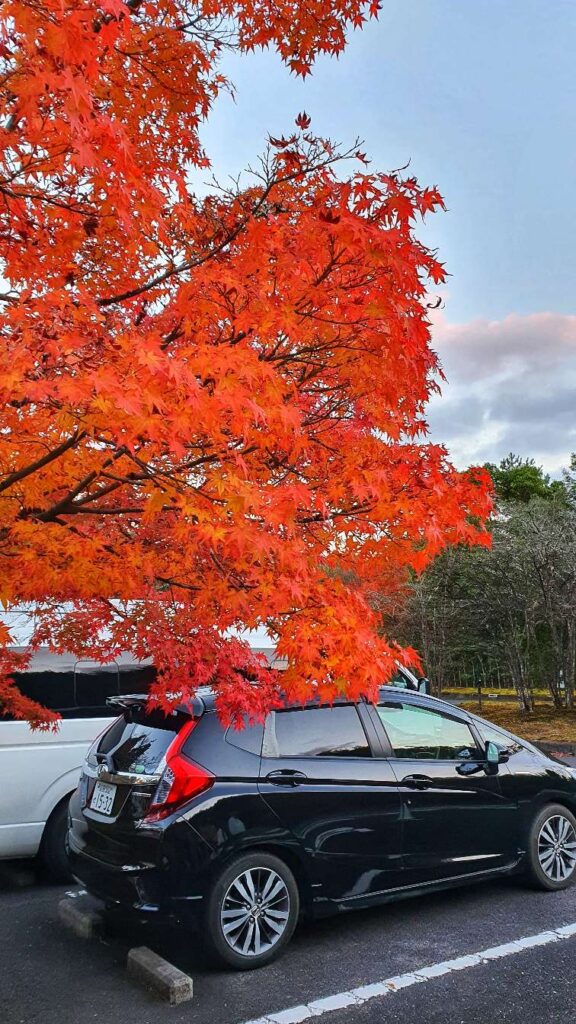
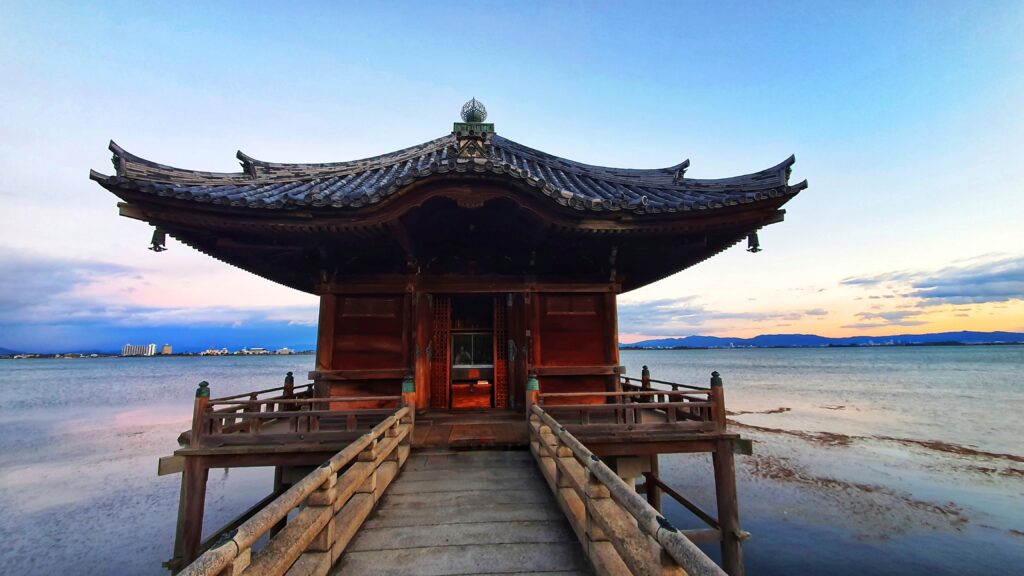
- Otsu (大津) – Stopped by the floating pavilion Ukimido (浮御堂) for a breathtaking scenery of Lake Biwa and also the Former Chikurin-in Temple (旧竹林院) for a dazzling autumn illumination special.
- As a bonus, we even drove up north to visit Shirahige Shrine (白髭神社), a shrine known for its splendid scenery of its Torii gate floating on top of Lake Biwa! This would be harder to reach if we just decided to take the train as the shrine is 20 minutes away from the station by cycling.
- Also for places such as Hikone and Omihachiman, the train station is located quite a distance from the attractions themselves; which requires either an additional bus/taxi ride or further walking to reach.
Car Rental in Japan: Why We Use Tocoo!
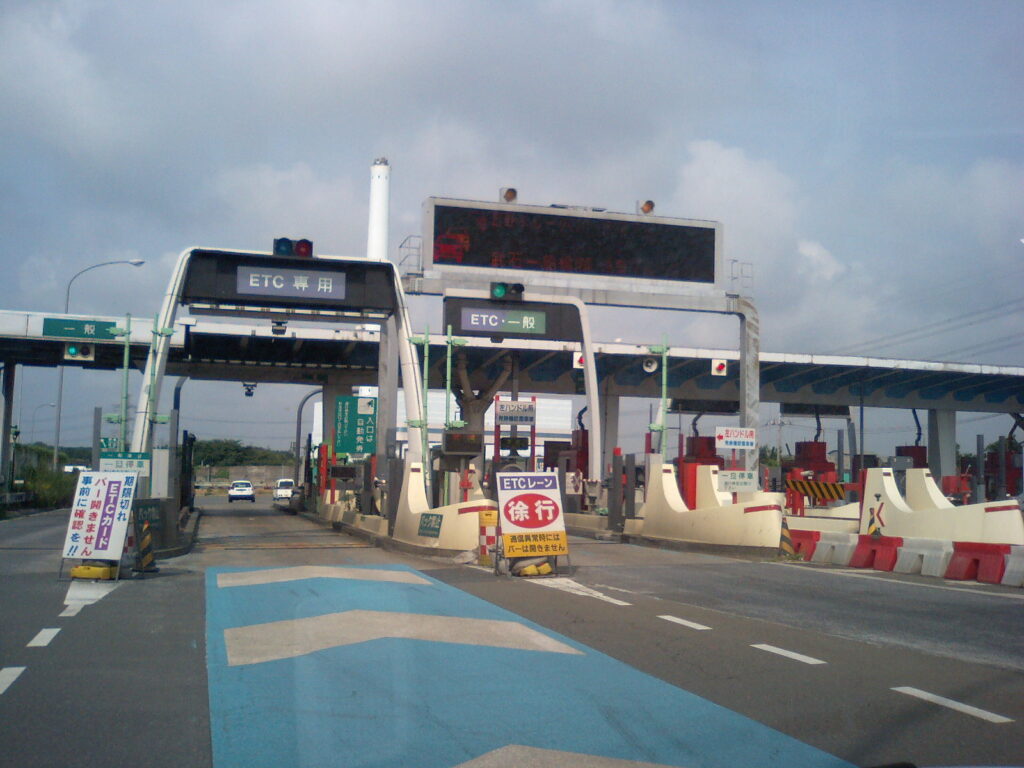
For trips where driving makes sense, we usually book our rental car through Tocoo! Car Rental, particularly for countryside routes and multi-day road trips. We appreciate the transparent pricing and the option to add ETC card rentals and insurance upfront, which helped simplify toll roads and long-distance driving. If you’re considering driving in Japan, Tocoo is a practical option worth comparing when planning your itinerary.
Train Travel in Japan: When It’s the Better Choice
Pros of Catching the Train
Majority of cities in Japan are designed with the train connectivity in mind. In every city, its almost a 95% guarantee you will see a train station; often connected by Japan Rail (JR for short). Trains here are also punctual; making it easy and convenient to travel between cities.
Therefore, trains are great option to choose if most of your destinations are located within the city centers. If I am to do a Tokyo city tour or doing a daytrip from Osaka to Kobe (神戸) for example, a train will be a more feasible option as traffic in the cities can be heavy, coupled with the cities expensive parking fees.
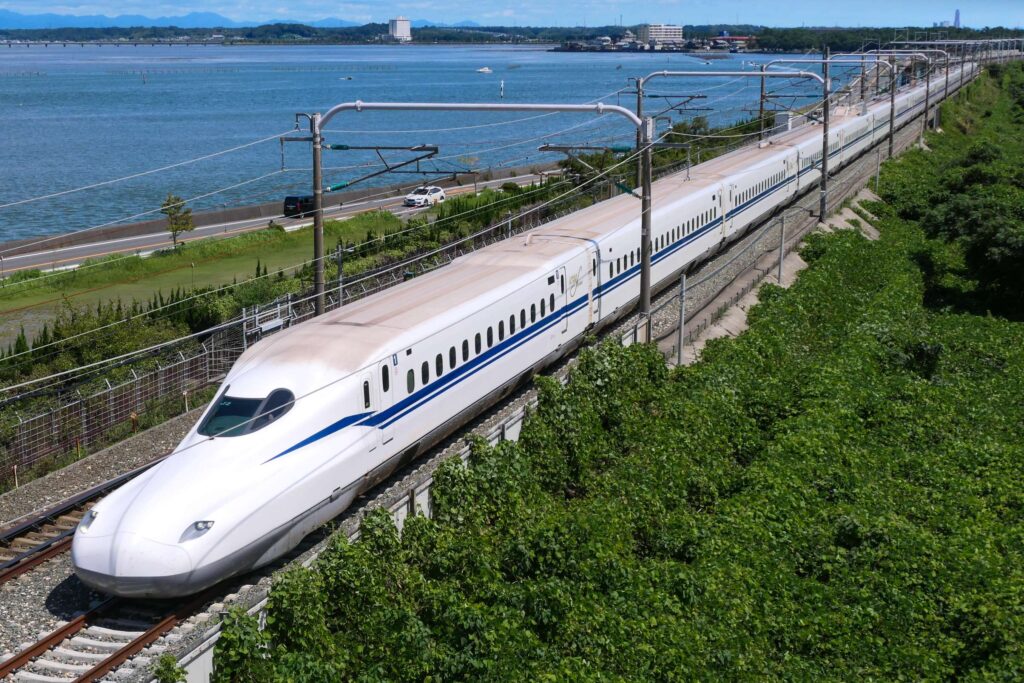
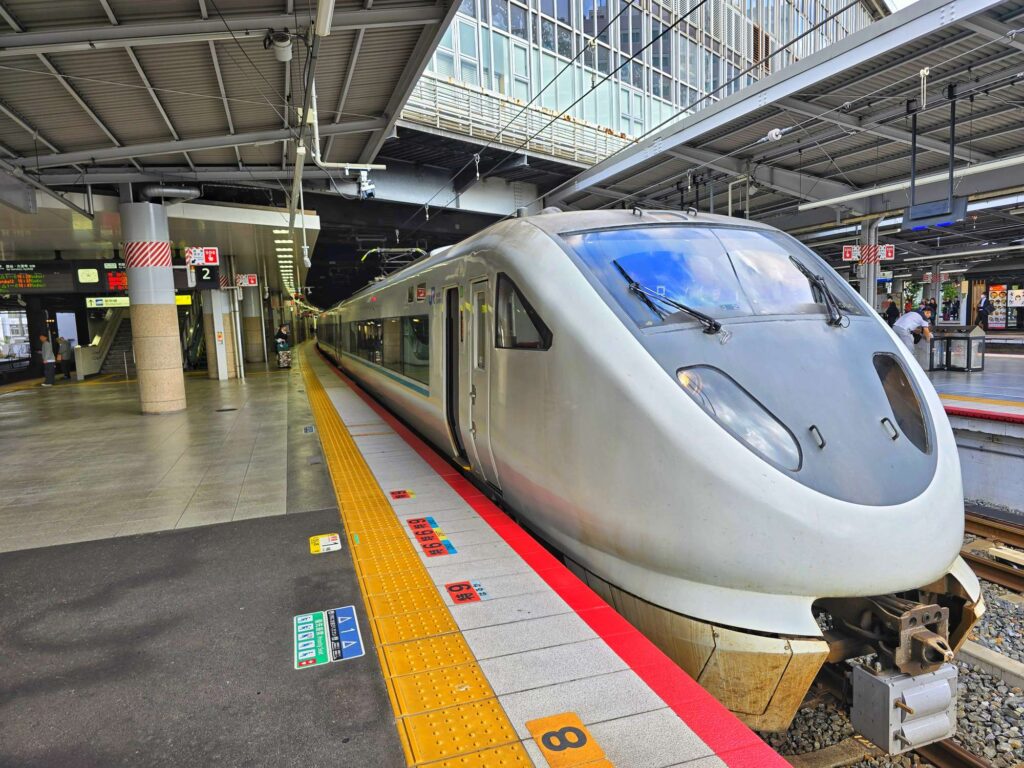
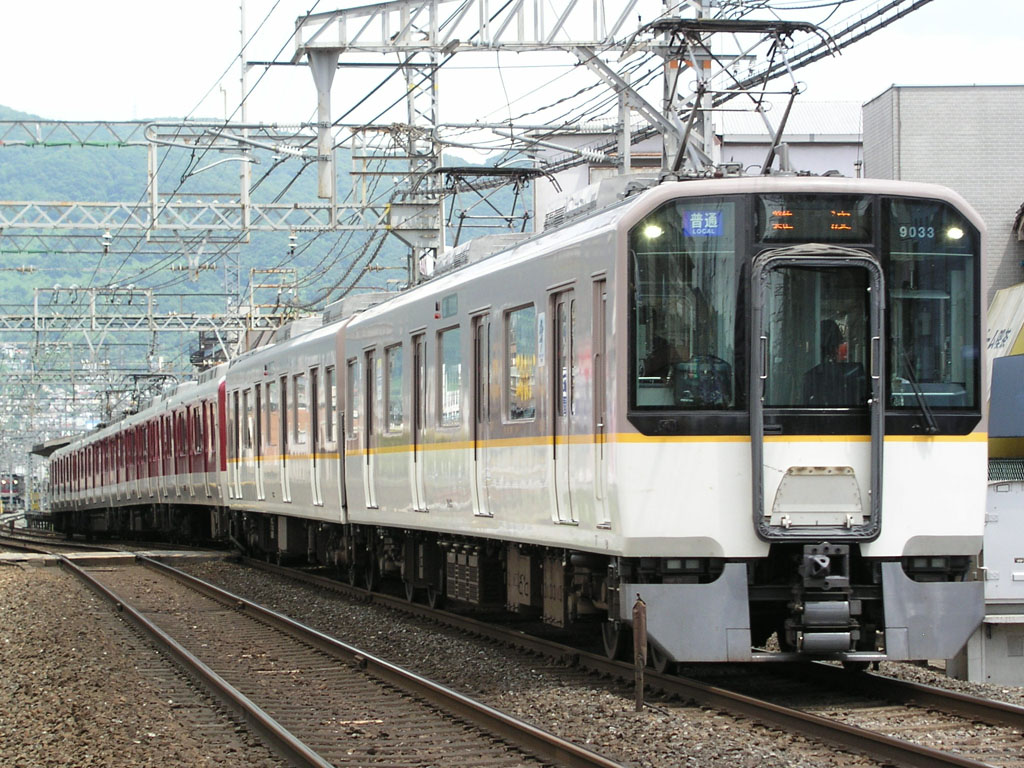
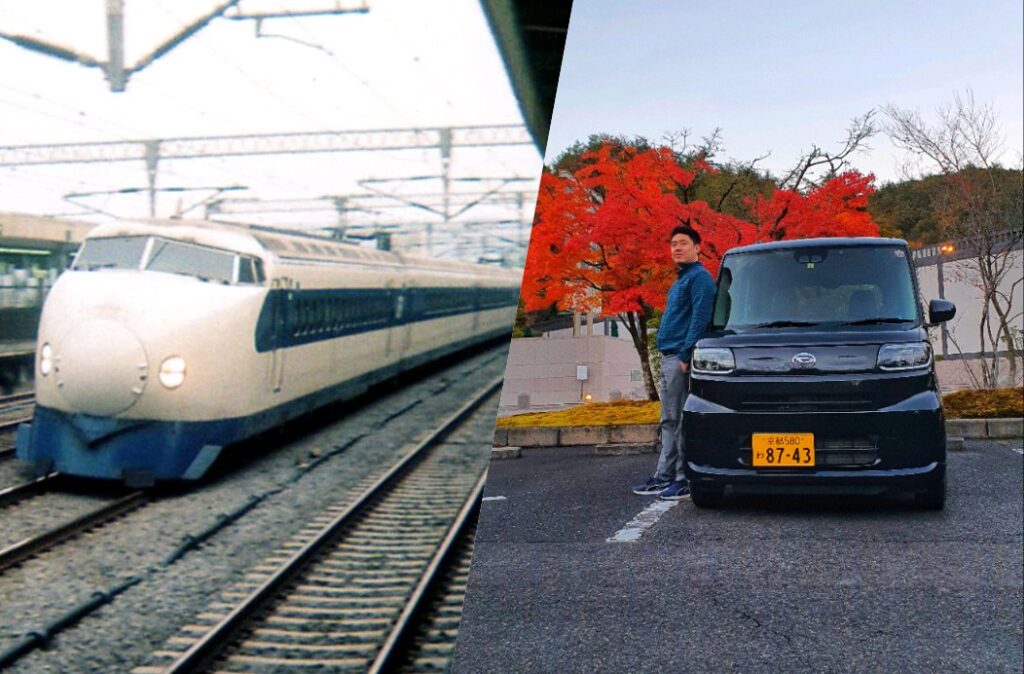
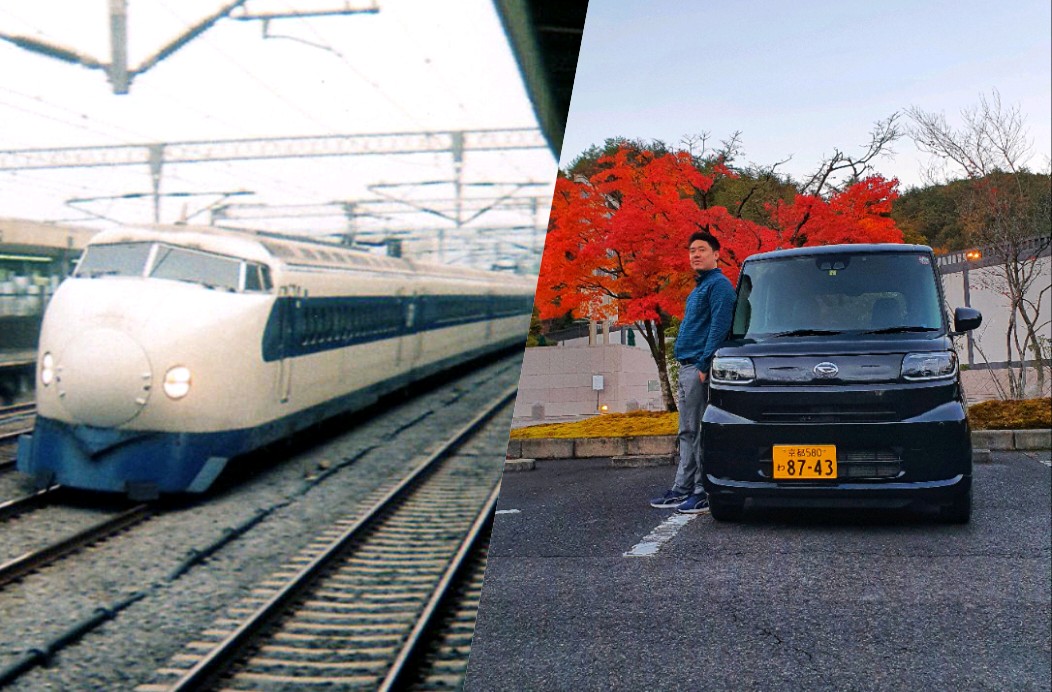
For the solo travelers and those who are on budget, train travel is also one of the most convenient ways to get to another city. And no, I am not just referring to the famed shinkansen (新幹線) bullet train (pictured above) but rather the local train lines that offer tickets at a more reasonable price.
Shinkansen vs Local Trains
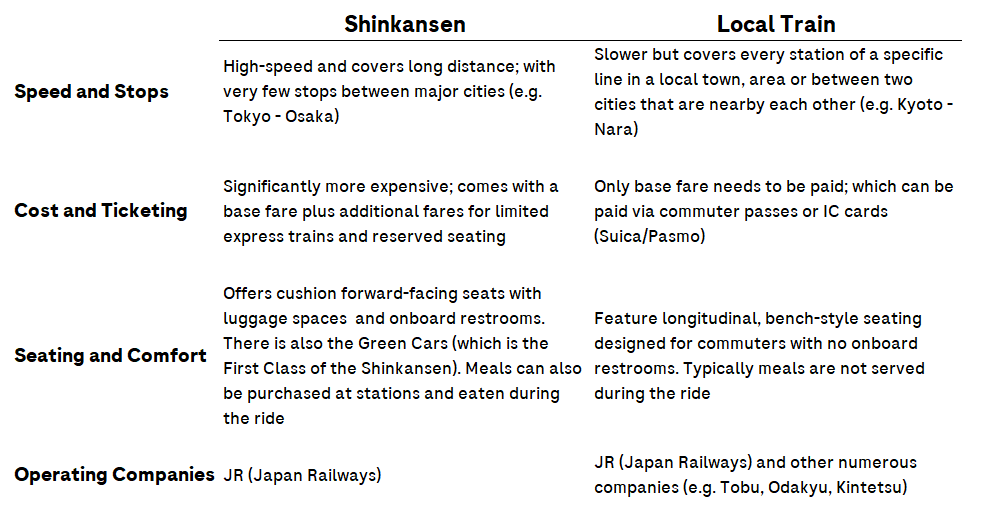
Now you may be asking, what is the difference between the shinkansen (新幹線) bullet trains vs the local trains? Well, here’s a comparison of both of them:
The general idea is that Shinkansen is for long distance travel while local trains are for short journey. Also Shinkansen offers more comfort but it comes at a higher cost; which is a point worth considering for your travel budget!
Luggage Considerations
And if you are travelling by train in Japan, here are also some points to consider:
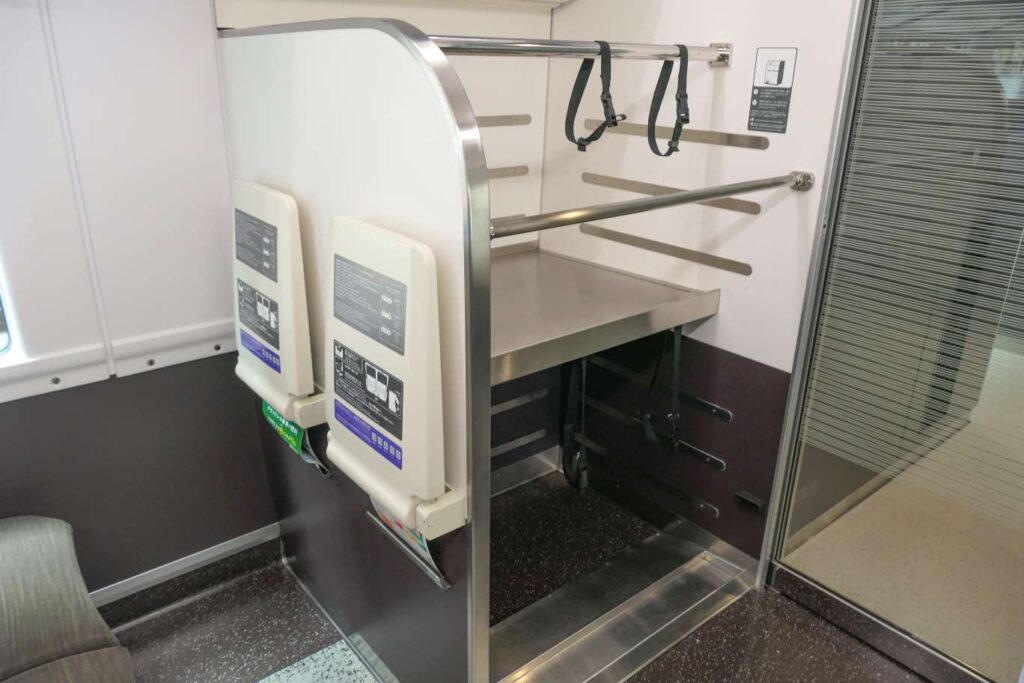
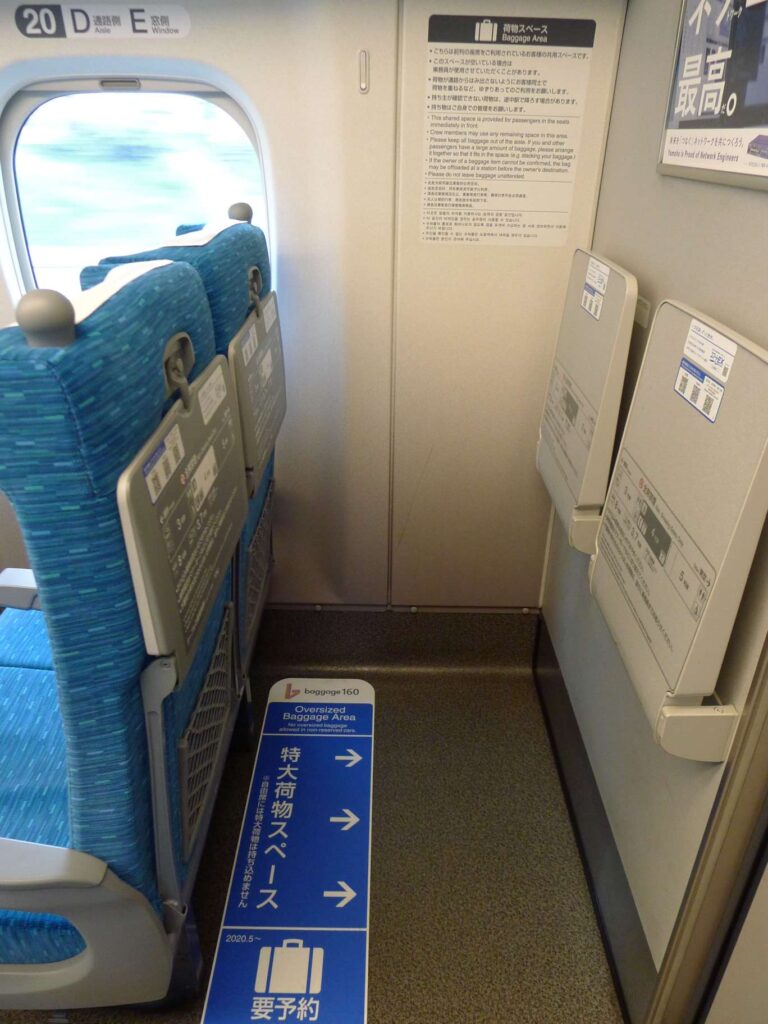
- Oversized baggage rules: This applies for the shinkansen especially for luggage that exceeds 160cm (total length + width + height) but is under 250cm. Make sure to reserve the special seating when you purchase the ticket; as without the reservation you may be charged with a fee or asked to relocate your luggage.
- Overhead racks: These are available at the shinkansen trains for smaller carry-on bags but not for large luggage.
- Seats at the back row with storage area: Seats at the back row will have a storage space for suitcases; so its best to book these seats ahead of time if you are travelling with luggage.
- Not all stations will have elevators: Major stations will often have elevators; while some other stations may not have. Not to mention some of the elevators may be right next to your platform. Expect some walking and plan extra time to navigate around the station when transiting between trains.
- Rush hour trains can be crowded: Avoid peak commuting hours (roughly weekday mornings and evenings) if traveling with large bags. Trains can become very packed, making it stressful to maneuver luggage.
- Consider luggage forwarding (Takkyubin/宅急便): This luggage forwarding service is an alternative option to ship your luggage between hotels, allowing you to travel light on trains. Affordable and very reliable for multi-city trips.
Train Ride in Japan: Why We Use JR Regional Passes!
While the JR pass was the go-to train pass for travelling between cities during the pre-COVID era, the recent hike in price has made it not as economical as it used to be. Instead, consider the JR Regional Passes to travel across cities! These passes give you unlimited rides within selected regions for a fixed number of days, which is perfect for flexible itineraries with multiple stops.
In fact, my wife and I prefer using regional passes to keep things simple; no need to buy separate tickets for every ride, and it often works out cheaper for longer journeys. You can browse and book your JR regional rail passes HERE to compare routes and choose the pass that best fits your Japan travel plans.
Japan Driving vs Train: Cost Breakdown:
When comparing driving vs train travel in Japan, cost isn’t as straightforward as it first appears. From the experience of planning multiple trips, the cheaper option depends heavily on the group size, destinations, and how packed your itinerary is. Here’s a simplified overview comparison between the two:
Driving estimates include rental, basic insurance, fuel, and average tolls. Prices vary by region and season. For rental cars, the price may vary subject to the size and model of the rental car; the larger the car, the higher the rental fees!
Solo traveler or couple (major city routes and daytrip destinations)
For classic city routes like Tokyo (東京) – Kyoto (京都) – Osaka (大阪) , trains are usually the more economical and stress-free option. While car rental costs are shared between fewer people, you still need to account for toll roads and expensive city parking. For one or two travelers focusing on major cities, the Shinkansen is often faster, simpler, and competitively priced.
There are also certain smaller cities that can be easily reached by a local train ride from the major city itself. Examples are Kawagoe (川越) and Enoshima (江の島) which can be reached by train from Tokyo in less than two hours. And then, there is also the matcha capital of Uji (宇治) which is only about 30 minutes from both Kyoto and Nara. For these types of destinations, a simple train ride will be enough.
Rural and countryside itineraries
For mountain regions, onsen (温泉) towns, and countryside routes, driving is often the better value in both time and money. Trains to rural areas frequently require extra bus transfers and longer travel times. A car allows direct access and flexible scheduling, which can make a big difference on shorter trips. Also, parking in the countryside is usually free or much more affordable in contrast to the cities.
Small group or family (3–5 travelers)
Once you’re traveling as a group, the math changes quickly. Splitting a rental car between several people can bring the per-person cost below individual train tickets; especially when visiting multiple destinations in one day. Driving also reduces the need for taxis and local buses, which can quietly add up in group travel (while local buses are fairly economical, taxis in Japan however are very costly in general).
Rural and countryside itineraries
For mountain regions, onsen (温泉) towns, and countryside routes, driving is often the better value in both time and money. Trains to rural areas frequently require extra bus transfers and longer travel times. A car allows direct access and flexible scheduling, which can make a big difference on shorter trips.
Traffic in smaller towns is also much more relaxed in contrast to the cities. Also, parking in the countryside is usually free or much more affordable in contrast to the cities. A prime example of an area where a car is essential is the mystical Kunisaki Peninsula (国東半島) in Kyushu; where public transport connections are almost non-existant.
Sample Itinerary Cost Comparison: Tokyo → Hakone → Fuji-Kawaguchiko → Kyoto
To make the comparison more concrete, here’s a simplified example based on a popular 3–4 days route many travelers consider:
Route: Tokyo (東京) → Hakone (箱根) → Fuji-Kawaguchiko (富士河口湖) → Kyoto (京都)
By train & bus (one-way per person):
Tokyo → Hakone train (using the Romancecar limited express): ~ ¥2,500 – ¥4,000
Local Hakone/Fuji-Kawaguchiko transport (bus + train): ~ ¥3,000 – ¥4,000
Fuji-Kawaguchiko → Kyoto (bus + train): ~ ¥12,000 – ¥16,000
Estimated total: ¥17,500 – ¥24,000 per person
By rental car (total vehicle cost per day):
Car rental + insurance: ~ ¥7,000 – ¥12,000
Fuel: ~ ¥4,000 – ¥6,000
Tolls: ~ ¥7,000 – ¥10,000 (varies depending on usage of expressway)
Parking: ~ ¥1,000 – ¥2,000
Estimated total: ¥19,000 – ¥30,000 per day (shared)
For a solo traveler, trains are usually more practical. For a couple, costs become comparable. For 3–4 travelers, driving often becomes significantly cheaper per person, while also saving time between Hakone and Fuji-Kawaguchiko where public transport connections can be slower.
Of course, the biggest advantage of driving here isn’t just cost; it’s flexibility. Scenic viewpoints, lakeside stops, and smaller attractions are much easier to reach by car. See the next session below on how I would tackle this trip!
Combining Driving + Train: My Preferred Way
Many of my trips together with my wife, family and friends have ended up combining both trains for fast city-to-city travel, and rental cars for exploring regional areas. Going back to the previous example for the Tokyo → Hakone → Fuji-Kawaguchiko → Kyoto itinerary, I would plan the trip as follows:
- First, take the Romancecar limited express train directly from Shinjuku Station (新宿駅) in Tokyo to Odawara Station (小田原駅), as Odawara is easily accessible by just a single train ride.
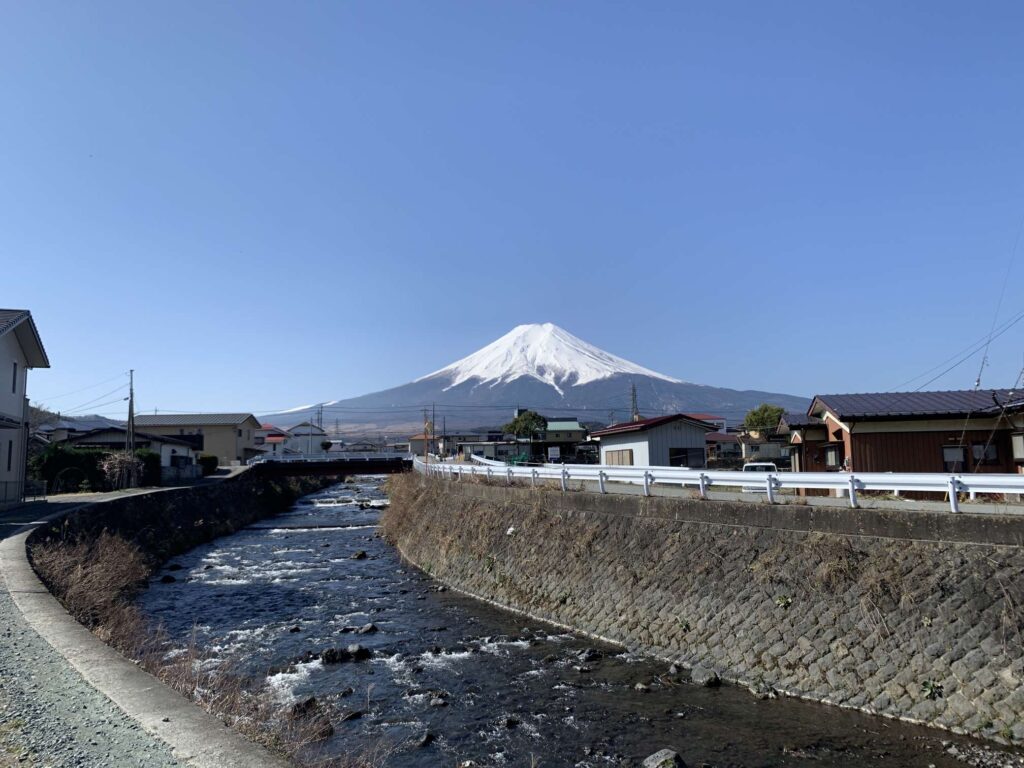
- Rent a car from Odawara Station (小田原駅) and explore Hakone (箱根) and Fuji-Kawaguchiko (富士河口湖); saving the bus/train waiting and transiting time and visiting the lesser known sites along the way.
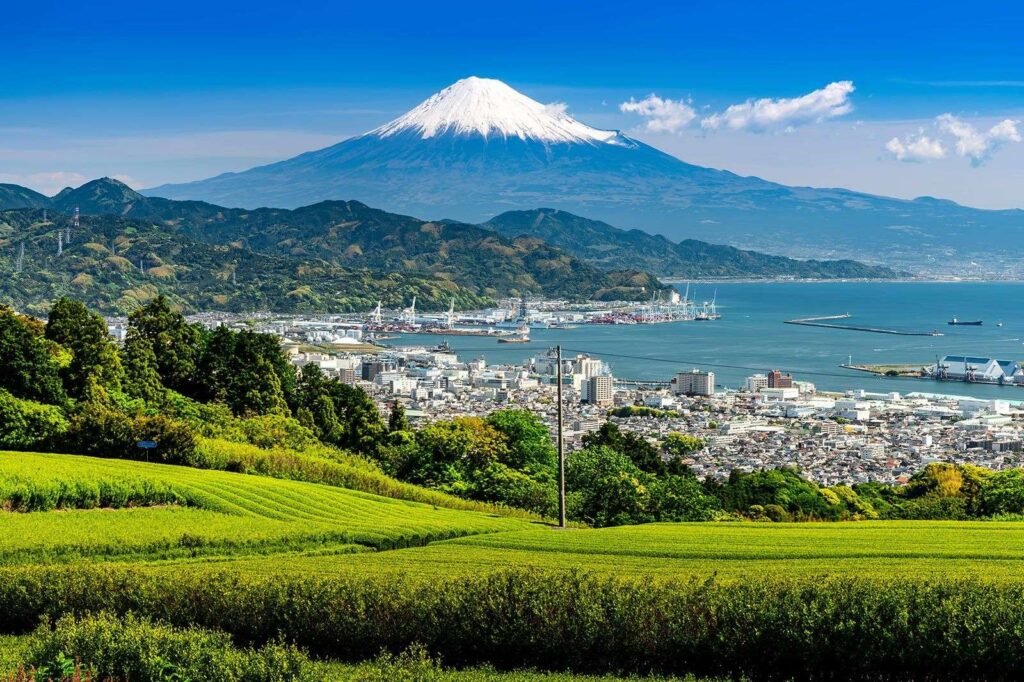
- Head to Shizuoka (静岡) city which I highly recommend checking out for their green tea. Drop off your rental car at the rental car outlet at Shizuoka Station (静岡駅) and catch the JR Shinkansen (新幹線) train to Kyoto (京都); more economical and time-saving compare to driving along the expressway.
In most cases, the best answer isn’t driving or train—it’s knowing when to use each! If you need further guidance on how to plan out your transportation for your Japan trip, check out my JAPAN plan HERE for more info!
How to Decide Between Driving and Train Travel in Japan
If you’re trying to decide quickly, here’s a simple rule-of-thumb guide based on my experience:
🚗 Drive if you:
Are traveling in a group of 3 or more
Plan to visit rural areas or countryside towns
Want the flexibility for scenic stops
Have a packed multi-stop itinerary
Are carrying large luggage
🚅 Take the train if you:
Are traveling solo or as a couple in major cities
Focus mainly on Tokyo, Kyoto, Osaka; with a nearby daytrip destination
Prefer stress-free transportation
Want to avoid parking, heavy traffic and toll navigation
Are traveling on a tight schedule
Japan Driving vs Train: Frequently Asked Questions
Is driving in Japan difficult for tourists?
Driving in Japan is generally straightforward, especially outside major cities. Roads are well maintained, and while roads and signages aren’t usually in English, especially in the countryside, navigation apps work reliably with a portable WiFi. Also, rental cars often come with English GPS which helps a lot in navigating to your destination.
Is it cheaper to drive or take the train in Japan?
Driving is usually cheaper for groups of three or more, while trains are more economical for solo travelers on major city routes.
Do you need an international driving permit in Japan?
Yes, most foreign visitors need an International Driving Permit (IDP) issued in their home country before arriving in Japan. The permit has to be in the 1949 Geneva Convention format and the hardcopy of your actual driving license must be carried together as well!
Are toll roads expensive in Japan?
Yes, expressway tolls can be significant. For long-distance routes, toll costs may exceed ¥7,000–¥10,000.
Do trains in Japan reach most tourist destinations?
The train network covers most major cities and many popular tourist destinations. However, smaller countryside towns, scenic viewpoints, and rural attractions may require additional bus transfers or local train rides; albeit with limited frequency. Which is why some travelers opt to rent a car for these areas.
Is it easy to navigate Japan by train?
Navigating Japan by train is relatively easy, even for first-time visitors. Stations have clear signage in English, trains are punctual, and route planning apps such as Google Maps, Jorudan (Japan Transit Planner) or Navitime make it simple to check schedules and transfers.
On the other hand, many stations in major cities are crowded and hectic during peak hours; such as the Shinjuku Station (新宿駅) in Tokyo that is not only known for being the most commuted station, but also for its maze-like layout. As such it is important to take in consideration of transit times as well when planning your journey.
Loving the content here?
Get your free Japan Hidden Gems Bucketlist!
You May Also Like
8 Genuine Onsen Spots Nearby Oita, Other than Beppu
January 8, 2022
Oita – The Ultimate Travel Guide to the Peaceful Coastal City
October 25, 2021